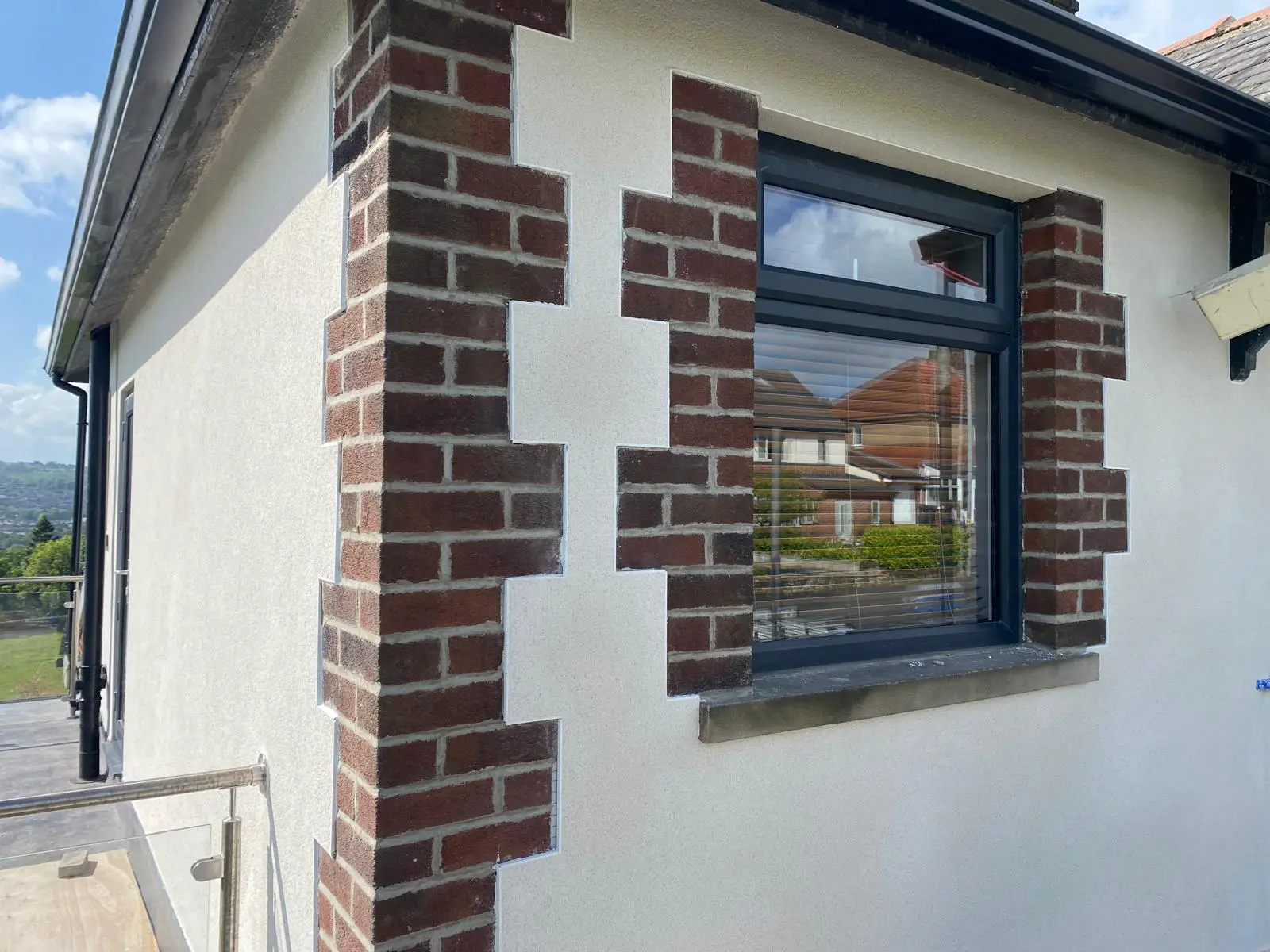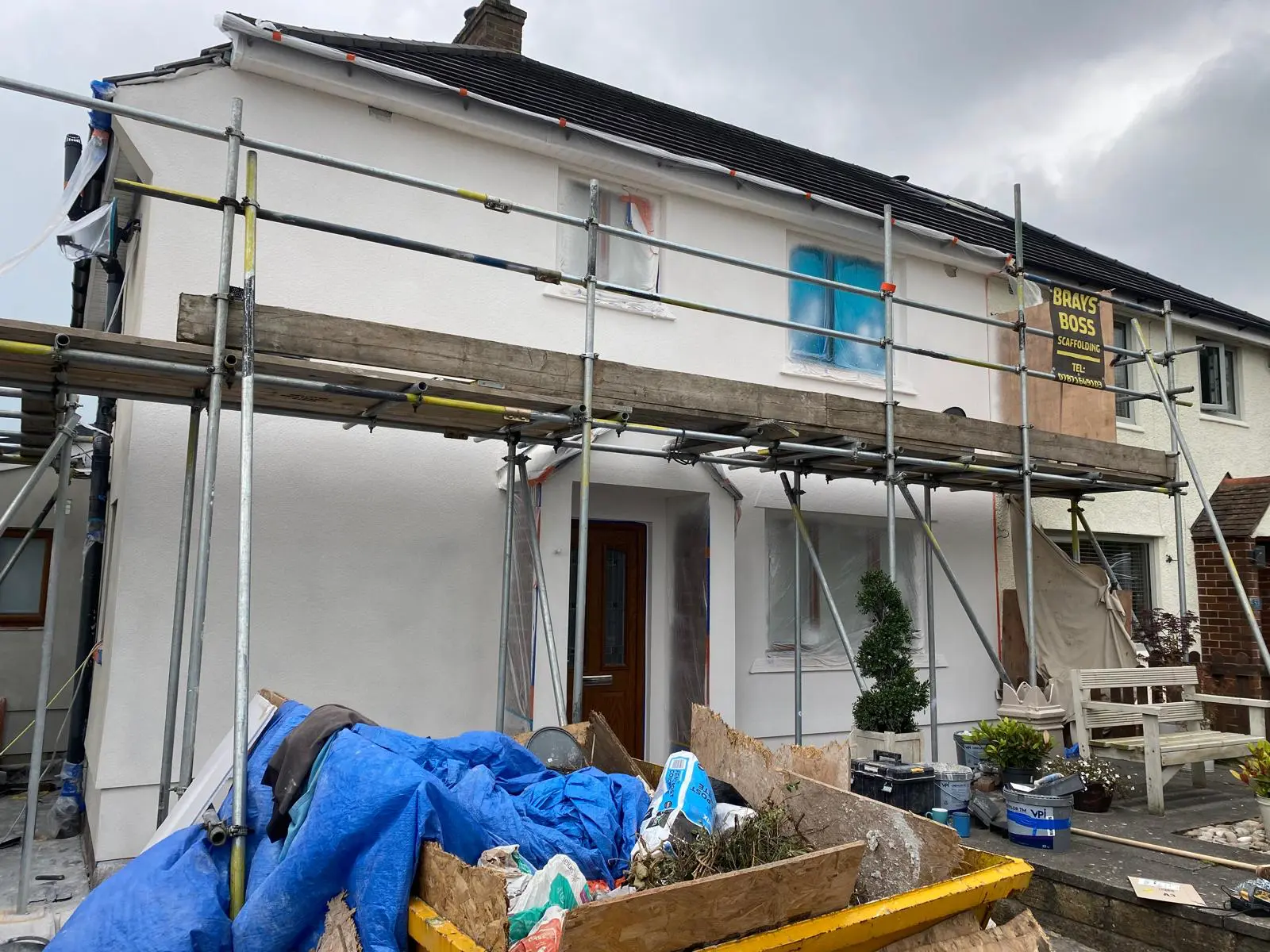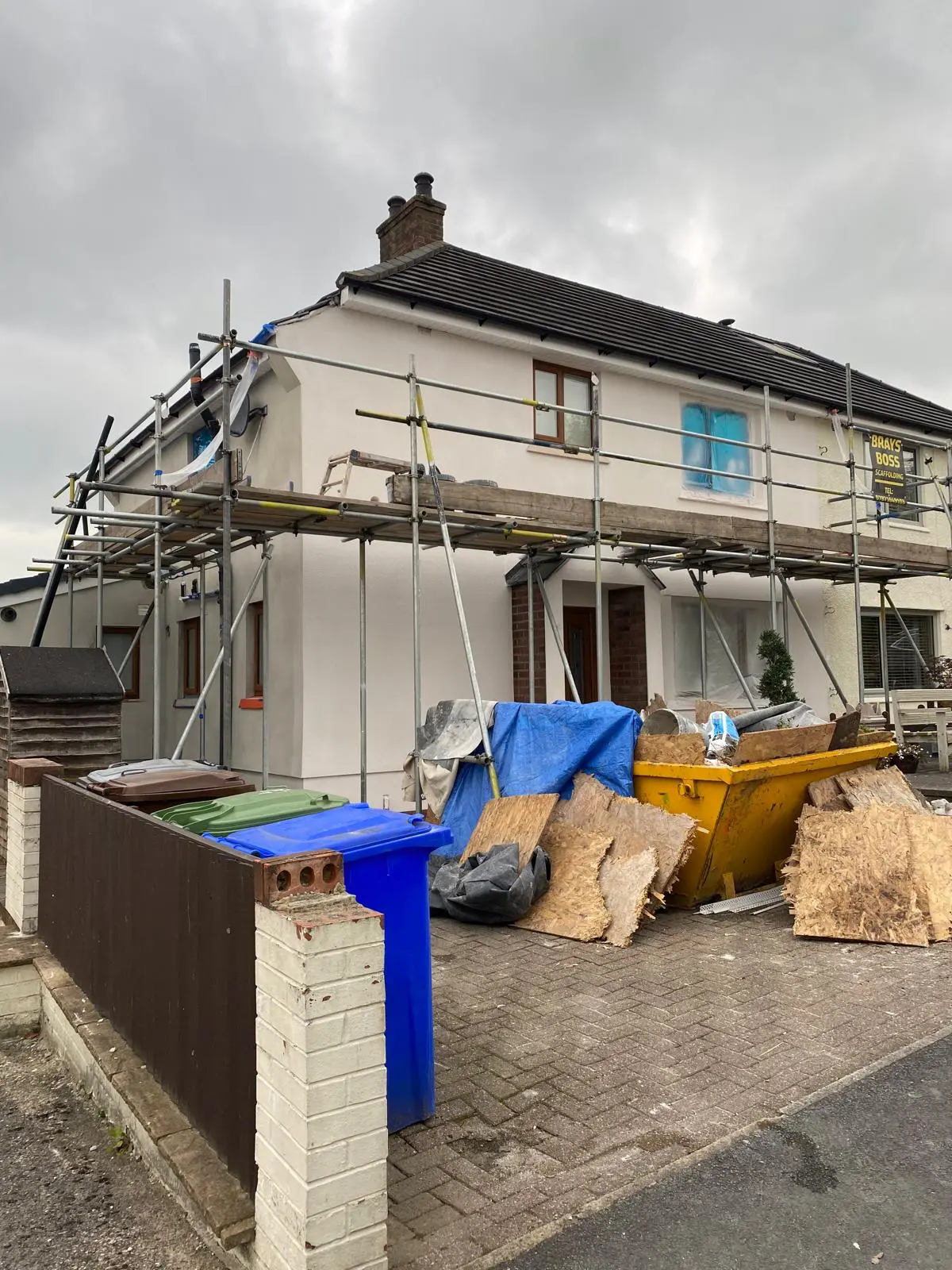
K-Rend and silicone render are both excellent systems — but they have real differences. We explain both honestly so you can choose the right one.
When you start researching rendering options, two names come up repeatedly: K-Rend and silicone render. They're both popular, both high quality, and both suitable for Lancashire homes. But there are important differences between them. This guide explains what those differences actually are — without the sales pitch.
What They Have in Common
Both K-Rend and premium silicone renders share the same fundamental properties:
- **Breathable** — moisture from within the wall can escape outward, preventing trapped damp - **Water-repellent** — the surface sheds rain rather than absorbing it - **Self-cleaning** — rain washes the surface down, reducing algae and moss growth - **Flexible** — both systems accommodate minor structural movement without cracking - **Long lifespan** — 20–25+ years with no repainting
If you're comparing either of these to traditional cement render or painted pebbledash, both are significantly better in every meaningful way.
The Key Differences
What K-Rend actually is
K-Rend is a brand name — it refers to a range of products manufactured by Kilwaughter Minerals in Northern Ireland. K-Rend products are silicone-based renders, which is why the comparison can be confusing. The distinction is between K-Rend (a specific branded system) and generic silicone renders from other manufacturers such as Parex, Weber, or Sto.
Through-colour vs surface colour
The most important practical difference is how the colour works:
**K-Rend** is through-coloured — the pigment runs all the way through the render, not just on the surface. If the surface is scratched or chipped, the same colour is revealed underneath. The finish doesn't need repainting at any point in its lifetime.
**Standard silicone render** is typically applied over a base coat and coloured at the surface layer. It looks identical to K-Rend when new, but if it is scratched or chipped deeply enough, a grey base coat may be visible. It still does not need painting, but the through-colour durability isn't quite the same.
Manufacturer warranty
K-Rend products come with a full manufacturer's system warranty when installed by an approved applicator. As K-Rend Approved Applicators, we provide this warranty as part of every K-Rend installation we carry out.
Other silicone renders also come with warranties, but the structure and coverage varies by manufacturer.
Cost
K-Rend is typically £10–£20 per m² more expensive than standard silicone render. On a typical semi-detached in east Lancashire, that's a difference of roughly £1,200–£2,400 on the total project cost.
Which Should You Choose?
**Choose standard silicone render if:** You want a high-quality, durable finish at the best price point. The performance difference between a quality silicone render and K-Rend in everyday use is small. This is what we recommend for the majority of properties.
**Choose K-Rend if:** You want the absolute best through-colour permanence, you value the manufacturer's system warranty, or you're particularly concerned about the appearance holding up over decades with zero maintenance.
Both are excellent systems. If you're on the fence, come and look at examples of both in person — we can show you completed jobs in your area.
Call 07900 926987 for a free survey and honest recommendation for your property.
Cooke Rendering & Construction
Lancashire's trusted rendering and construction specialists since 2005. Based in Barrowford and serving Burnley, Skipton, Preston, and all of east Lancashire.
Learn more about us →